If you are caring for a parent, spouse, child, or medically complex family member you already know how quickly emergencies can happen.
In this complex fast-moving world, what’s a simple safety tool you can provide for them? It’s a medical ID bracelet, or necklace. These can help first responders quickly identify critical information regarding their health, even if they can’t speak for themselves.
In this guide we will walk you through who needs a medical ID, what information the ID should include, and how caregivers can choose the best option.
Why Medical IDs are Essential for Caregivers
First responders are trained to immediately check for a form of medical ID upon arriving at an emergency scene. A medical ID can quickly communicate pertinent information such as:
- Chronic conditions
- Severe allergies
- Blood thinner use
- Insulin dependence
- Seizure disorders
- DNR status
In an emergency event, each second matters and accurate medical information can prevent medication errors, speed up treatment decisions, and improve outcomes.
For caregivers, this provides some peace of mind knowing that even if you’re not present, this important information is relayed to the care team. This is especially important in rural areas where access to medical records, and specialized resources may be limited.
Who Should Wear a Medical ID?
Medical IDs should be considered for individuals with:
- Diabetes (type 1 or type 2)
- Epilepsy or seizure disorders
- Severe food, medication, or insect allergies
- Heart conditions or implanted devices such as a pacemaker
- Dementia or memory impairment
- An individual taking a blood thinner (common blood thinners include Eliquis, Xarelto, Warfarin, etc.)
- Multiple chronic medical conditions
What Information Should be Engraved on a Medical ID?
Medical ID engraving should be clear, concise and focus on the most critical details. Avoid overcrowding the tag so emergency responders can read it quickly and clearly.
Essential information may include:
- Primary Diagnosis (example type 1 diabetes)
- Life-threatening allergies
- “On blood thinners”
- “Insulin dependent”
- Seizure disorder
- DNR (if applicable, and this should be reviewed often to ensure the individual has not changed their mind)
- Implanted medical device
- Emergency contact number
- “See wallet card” or “full medication list in phone”
Types of Medical ID Jewelry for Caregivers to Consider
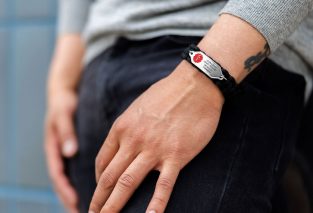
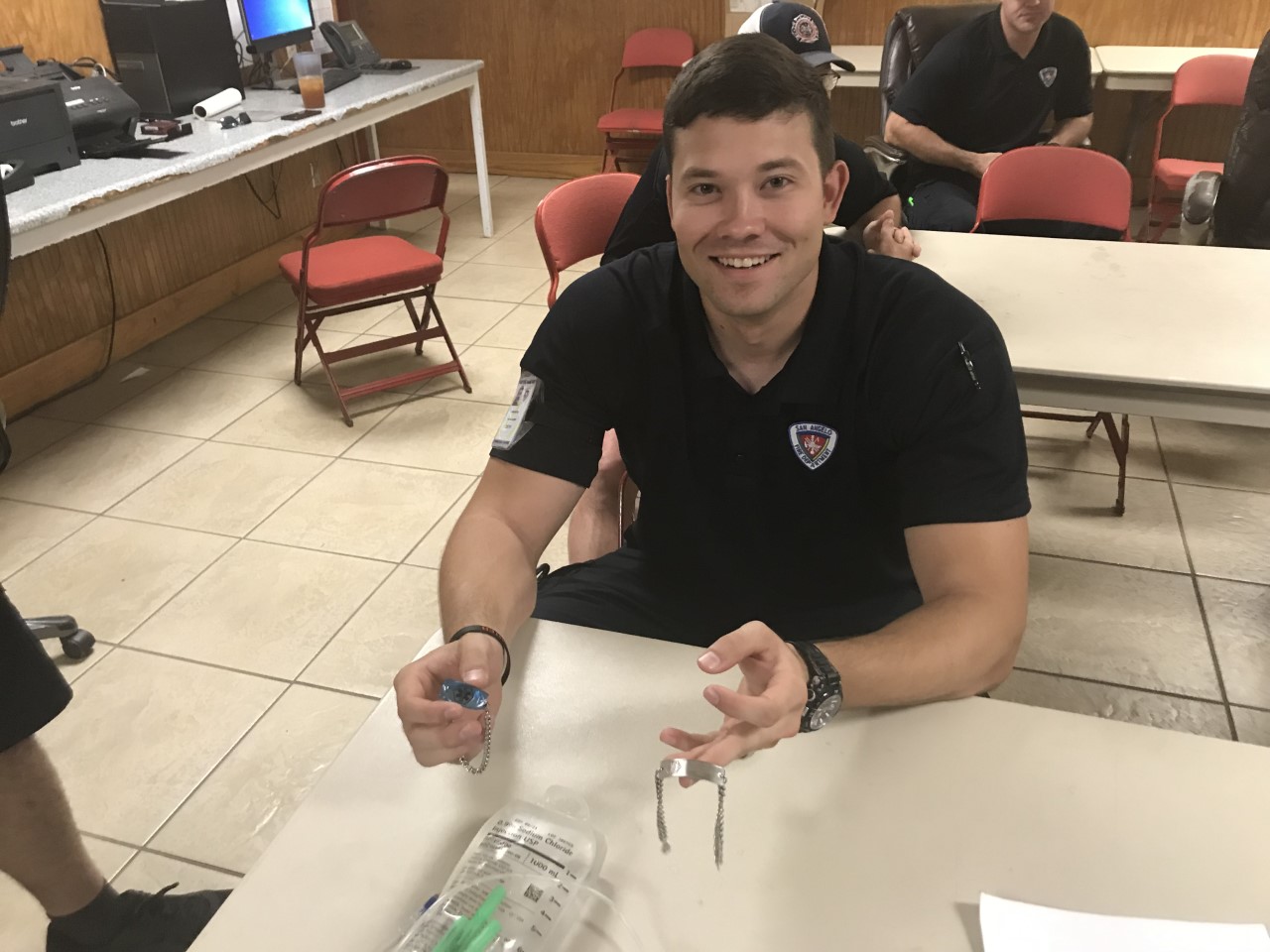
- Medical ID bracelets: the most recognized and checked by emergency responders
- Medical ID necklaces: a good alternative for individuals who do not like bracelets
- Smart Medical IDs: Include QR codes or digital profiles that store complete medical history.
Choosing the Best Medical ID for Dementia Patients
For caregivers of individuals with dementia or Alzheimer’s disease, medical IDs are especially important. Consider including:
- The person’s name
- “Memory Impairment” or “Dementia”
- Emergency contact number
What to Look for When Buying a Medical Alert Bracelet
Durability– stainless steel and sterling silver are long-lasting and easy to sanitize.
Comfort– look for smooth edges, lightweight materials, and adjustable sizing.
Visibility– the medical symbol (caduceus) should be clearly visible to indicate that it’s a medical bracelet.
Reminder– health needs sometimes change- choose an ID that allows for re-engraving or updating.
Final Thoughts for Caregivers:
Caregiving often means preparing for the unexpected. A medical ID is a small investment that has the potential to improve the outcome of the individual during a medical emergency.
Medical IDs may provide:
- Faster emergency response
- Reduced treatment delays
- Improved communication
- Potential for better outcome related to the emergency
- Peace of mind for caregivers
When you can’t be there to speak for vulnerable individuals, their medical ID can.