Even if you have a medical condition, it’s still possible for you to run, jog, or be active outdoors. In fact, being active and getting outside can help you feel better!
One way to keep yourself safe is to wear a medical ID. In the event of a medical emergency, the medical ID will provide valuable information to first responders about your medical history and allow you to promptly receive the correct treatment. Here’s a quick rundown with what you need to know about medical IDs.
Different Types of Medical IDs
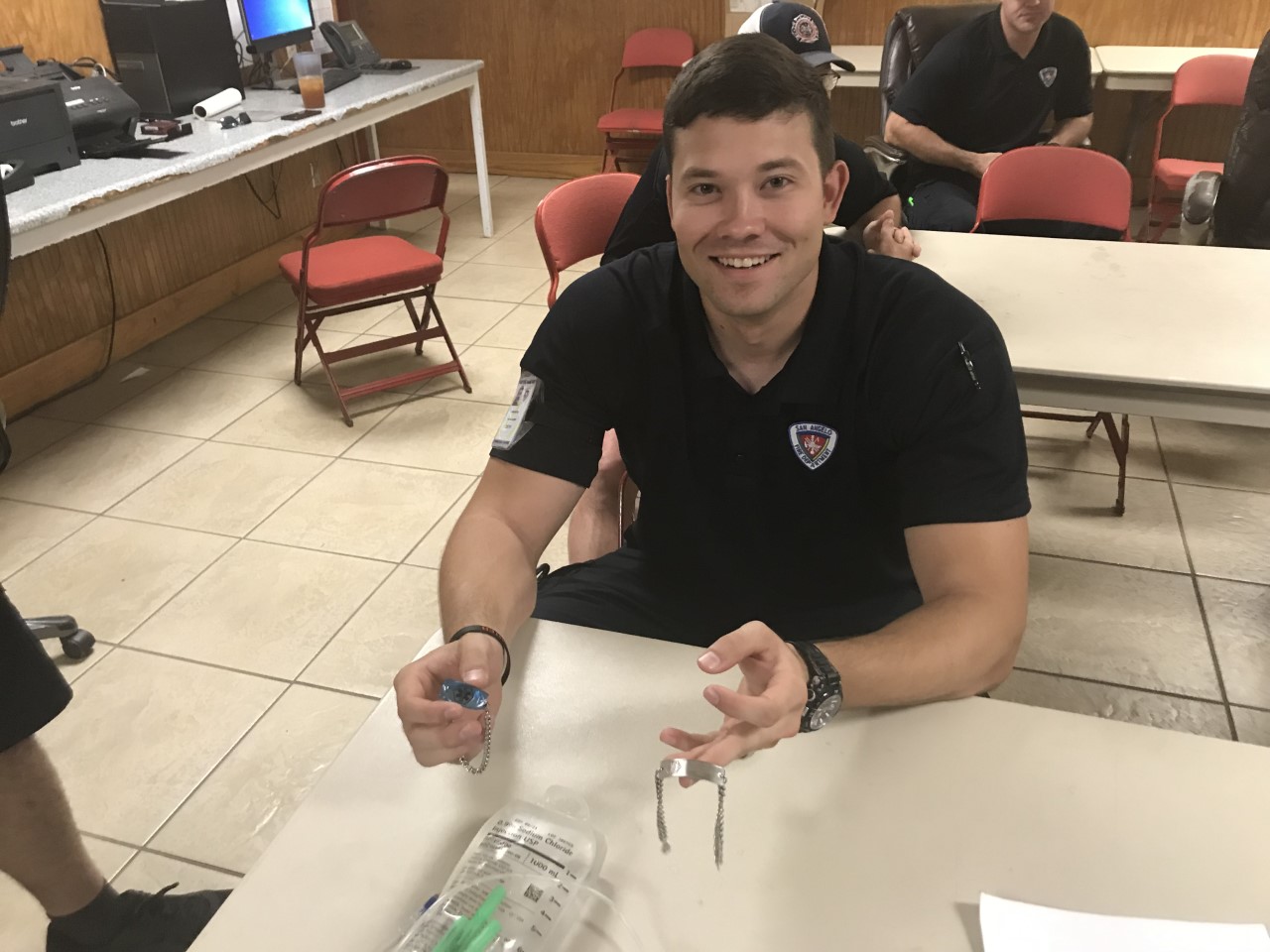
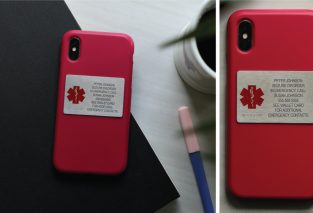
There are many different types of medical IDs such as bracelets, necklaces, phone and USB IDs, charms, and electronic medical IDs that are often paired with a card carried in your wallet.
When selecting the best type of medical ID and consider your daily activities—in this case, being active and getting outdoors.This means that you need a medical ID that can keep up with your active lifestyle.
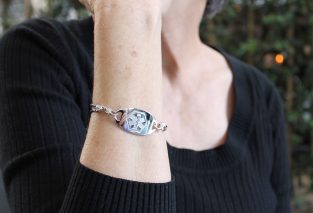
A traditional bracelet is often the best option because it stays in place as you move around and doesn’t bounce around like a necklace would while you’re running. It can be cumbersome to carry a wallet while running.
You also want to have a medical ID that will stay in place even if something happens like losing your phone.
The Styling
Look for a band that is durable, water-resistant or waterproof, and easy to clean. One of the best options are the silicone medical ID bands, which will easily resist sweat and damage. They are available in a plethora of different colors so that you can select the perfect option for yourself.
If you already wear a watch with a sporty band, you may also consider a watch ID that can fit onto an existing watch wristband. These tend to be a little smaller than a medical ID bracelet, so consider how much information you need to include when selecting your medical ID.
What to Engrave on your Medical ID
Engrave emergency contact information and medical information on your medical ID so that first responders can contact your family and friends. List out your major medical conditions, major allergies, prescription medications, and any implanted devices such as a pacemaker or joint replacement.
Your ID should be worn 24/7 because you never know when an emergency will happen.
If you aren’t sure what to include, you can work with the friendly customer service staff at American Medical ID to create the perfect medical ID for you.